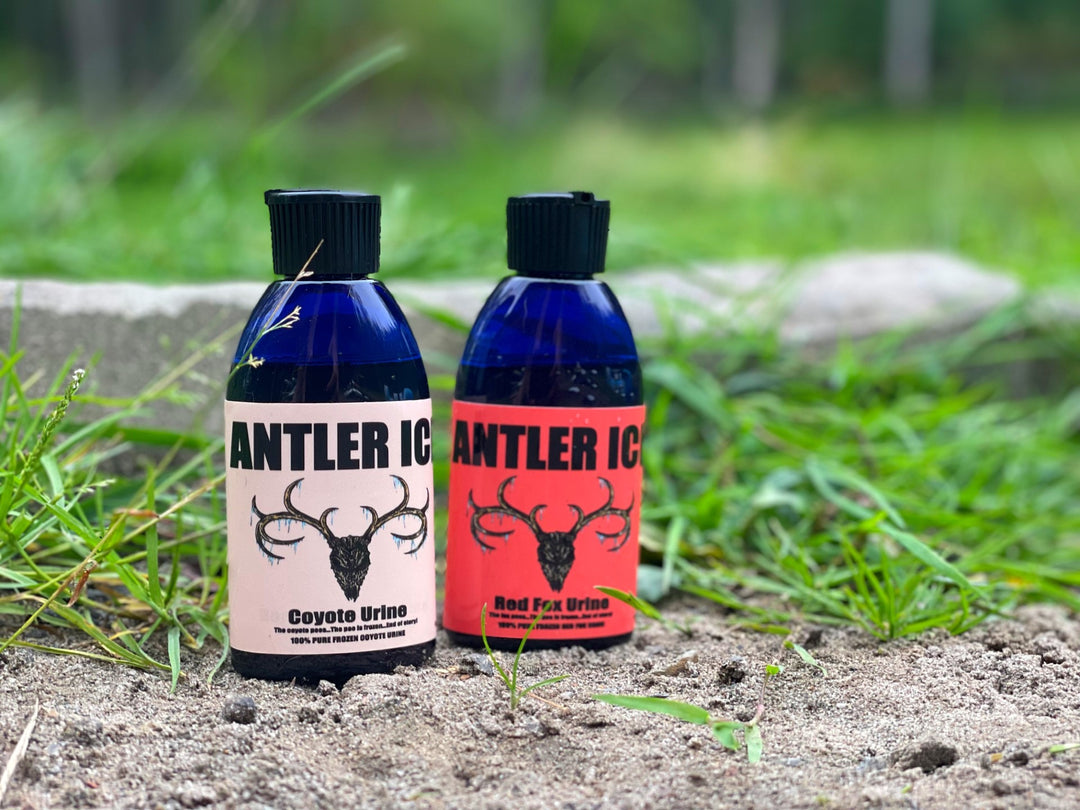
Start Your Mock Scrapes NOW - Here's Why
September is one of the best times to create mock scrapes. The rut may still be weeks away, but whitetails are already beginning to shift out of their summer patterns. Bucks are shedding velvet, bachelor groups are changing and deer are becoming increasingly interested in the other animals using their territory.
A well-placed mock scrape can help you learn which bucks are in the area, encourage repeat visits and prepare a productive hunting location before the rut begins.
Why Mock Scrapes Work in September
Scrapes are often associated with the rut, but they are more than breeding-season sign. Deer use scent to communicate throughout the season, and licking branches can become year-round social hubs.
By creating a mock scrape in September, you are introducing a natural-looking communication site before hunting pressure and rut activity intensify. This gives deer time to discover it, investigate it and potentially add it to their regular travel patterns.
An early-season mock scrape can help you:
- Take inventory of bucks using the property
- Identify travel routes and movement patterns
- Capture better trail-camera photos
- Encourage deer to pause in a specific location
- Prepare a hunting setup before the rut
- Monitor changes as bucks transition into fall patterns
The goal is not simply to attract a deer once. It is to create a location that deer want to check repeatedly.
Choose the Right Location
Location is one of the most important parts of building a successful mock scrape. Look for areas deer already use rather than trying to pull them completely away from their natural movement.
Good locations include:
- Field edges
- Existing travel corridors
- Logging roads and woodland trails
- Staging areas near food sources
- Trail intersections
- Areas with existing rubs or scrapes
- Secluded spots where mature bucks feel comfortable moving
A suitable licking branch should hang approximately at a deer’s eye or forehead level. Deer may lick, rub or work the branch with their forehead, leaving scent behind for the next visitor.
If a natural branch is not available in the right location, an Antler Ice Scrape Rope, made of 100% Natural Hemp can help create a visible and accessible scent communication point.
How to Build a September Mock Scrape
Begin by clearing leaves, sticks and debris from the ground beneath the licking branch. Expose fresh soil in an oval or roughly circular area that looks like it could have been worked by a deer.
The Antler Ice Scrape Maker 1000 makes this process faster and easier. Its compact three-prong design helps break up soil and clear away debris without having to search for a suitable stick every time you build or refresh a scrape.
Once the ground is prepared, apply a quality deer scent to the scrape. Antler Ice's Fresh-Frozen Buck Urine is a strong early-season choice because it introduces the scent of another buck without immediately creating the aggressive breeding message associated with peak-rut products.
You can also apply scent to a Ghost Wick and hang it near the scrape. This keeps the scent elevated and allows air movement to carry it through the surrounding area.
Add a Trail Camera
A mock scrape becomes even more useful when paired with a trail camera.
Position the camera far enough away to capture the entire scrape, licking branch and approaching deer. Check the background for tall grass, branches or other objects that could cause unnecessary motion triggers.
The photos can help you determine:
- Which bucks are using the area
- When they are visiting
- Which direction they approach from
- Whether they are traveling alone or with other deer
- How their patterns change throughout September
- Whether the location deserves a future stand or blind setup
Avoid checking the camera too frequently. Every visit adds human scent and disturbance. Use a cellular camera when possible, or check a traditional camera only when conditions allow you to enter and leave without disrupting the area.
We prefer Yellowstone.ai Trail Cams!
Why Fresh-Frozen Deer Scent Matters
Not all deer scents are handled the same way.
Antler Ice deer scent is collected fresh and frozen immediately, without preservatives. Freezing helps protect the authentic scent profile until you are ready to use it in the field.
Unlike a product that may have spent months sitting at room temperature, fresh-frozen scent is stored the way nature intended—fresh, natural and ready for the hunt.
Keep it frozen until you are preparing to use it, then follow the storage and application instructions provided with the product.
Refresh Without Overworking the Area
A mock scrape may need to be refreshed periodically, particularly after heavy rain or extended dry weather. However, more human activity is not always better.
Approach carefully, wear clean boots and gloves, and minimize the amount of time you spend at the site. Refresh the soil and scent only when necessary. If deer begin maintaining the scrape themselves, allow the location to develop naturally.
Start Now and Learn More Before the Rut
Waiting until the rut to create a mock scrape means missing valuable weeks of information.
A September mock scrape gives you time to observe how deer use your property, identify individual bucks and refine your hunting strategy before breeding activity begins. As the season progresses, the scent strategy can evolve with it—from buck urine during the early season to rut-focused products such as Doe-n-Heat when the timing is right.
Start the conversation now. Build the scrape, add fresh scent, position your trail camera and let the deer tell you what happens next.
Gear Up. Get Ready. Hunt Hard.
Always check the hunting and wildlife regulations for the state where you hunt before using natural deer urine or other scent products.